
Ideal Timing for Land Clearing Projects
Land clearing is a critical process that involves removing trees, brush, and other obstacles to prepare land for development, agriculture, or other uses. Timing plays a vital role in ensuring the efficiency and safety of land clearing projects. The optimal time depends on various factors including weather conditions, soil moisture levels, and vegetation cycles.
Late winter and early spring are often ideal due to drier soil conditions and dormant vegetation, which reduces equipment wear and environmental impact.
Avoid periods of heavy rain or snow to prevent soil erosion and equipment damage. Dry, mild weather enhances safety and efficiency.
Clearing during the dormant season minimizes the spread of invasive species and reduces regrowth speed.
Soil should be sufficiently dry to support heavy machinery without causing compaction or rutting.
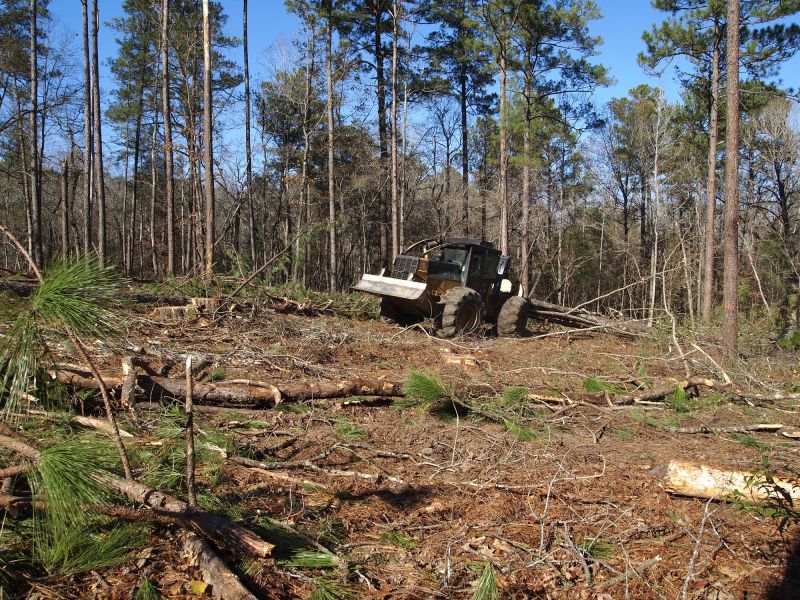
Heavy machinery working on dry soil during optimal season.
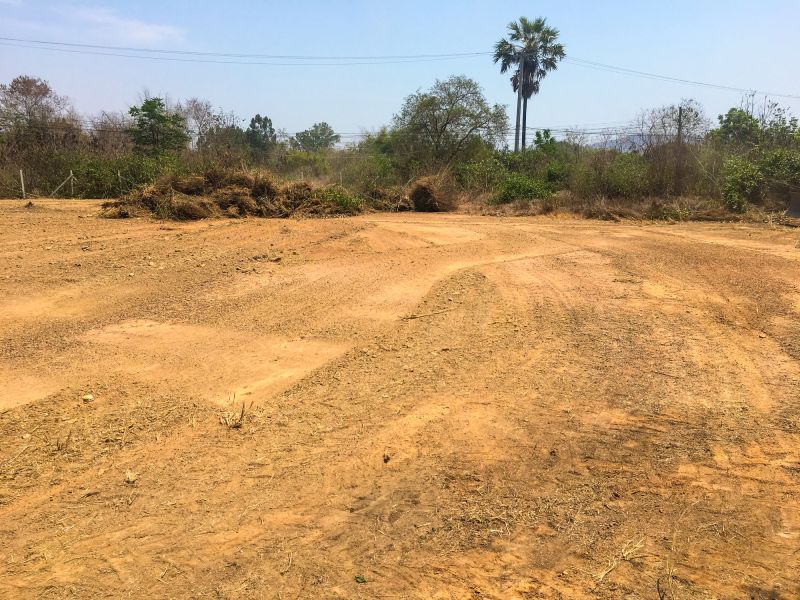
Dense brush and trees ready for removal.
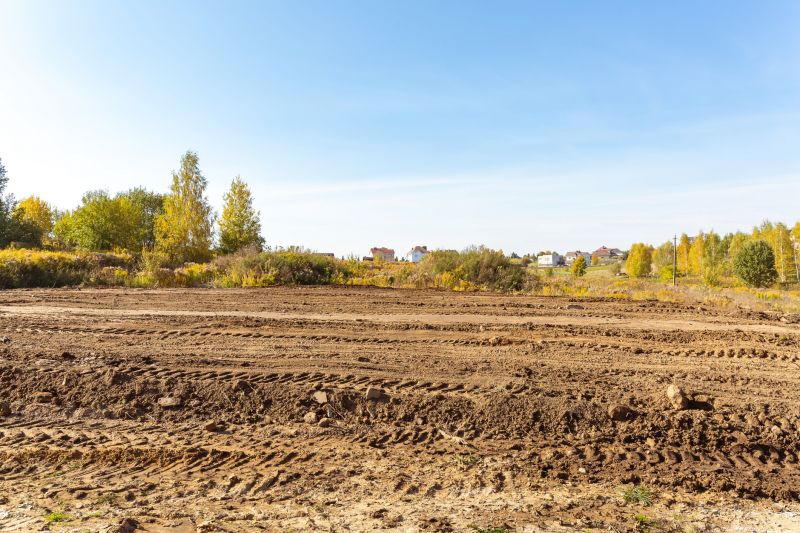
Prepared land suitable for development or planting.

Ways to make Land Clearings work in tight or awkward layouts.

Popular materials for Land Clearings and why they hold up over time.

Simple add-ons that improve Land Clearings without blowing the budget.
| Season or Condition | Recommended Timing |
|---|---|
| Late Winter to Early Spring | Ideal for most land clearing projects |
| Late Summer to Fall | Less suitable due to increased vegetation and moisture |
| During Dry Weather | Supports machinery operation and reduces soil disturbance |
| Post-Dormant Season | Minimizes invasive species spread |
| Avoid Heavy Rain Periods | Prevents soil erosion and equipment issues |
Land clearings are often conducted during specific times of the year to maximize efficiency and safety. Proper timing can reduce operational costs, minimize environmental impact, and facilitate smoother project completion. Monitoring local weather patterns and vegetation cycles is essential for scheduling land clearing activities effectively.
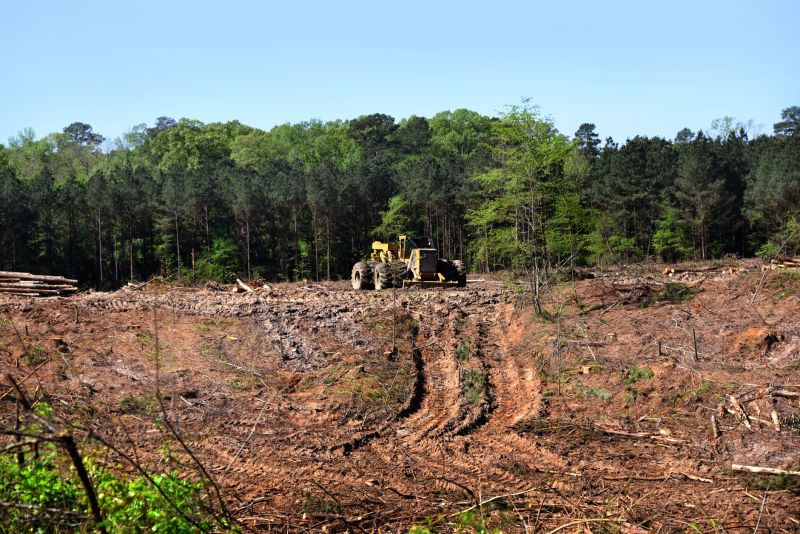
Heavy machinery during optimal clearing conditions.
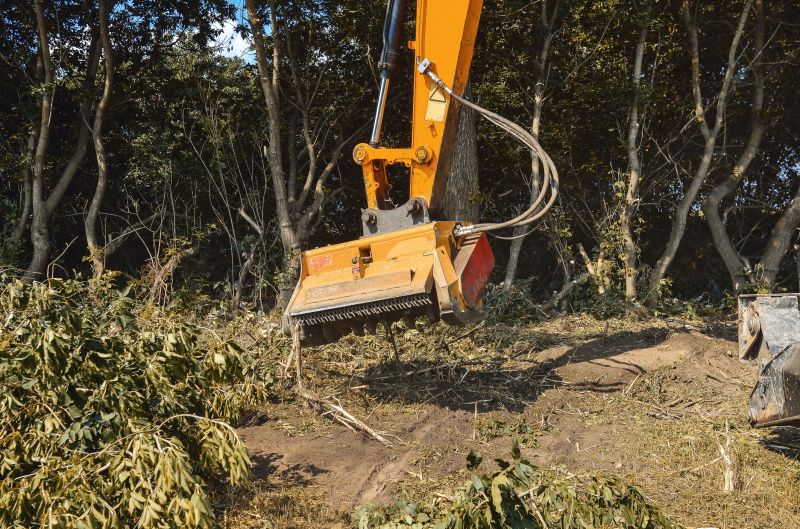
Machines clearing brush and trees efficiently.
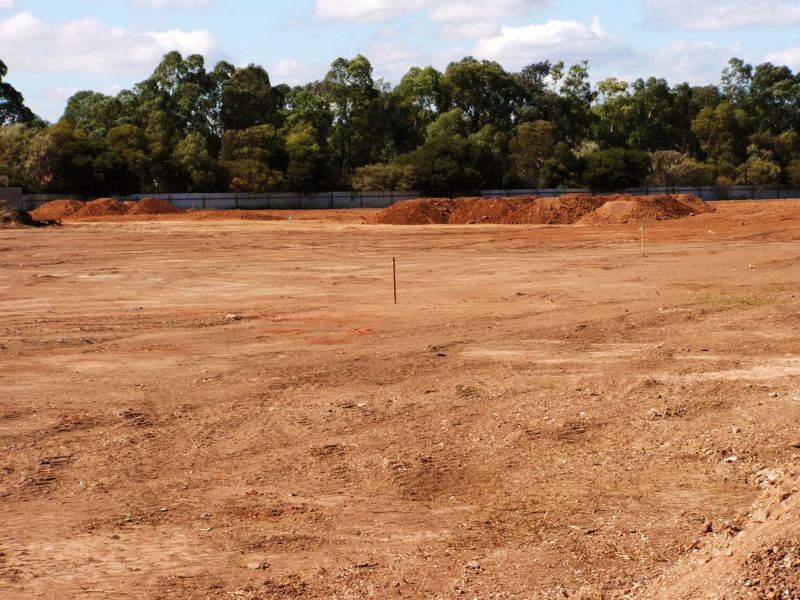
Smooth terrain prepared for development.

Comparison of land before and after clearing in optimal season.
Understanding the best timing for land clearings ensures the process aligns with environmental conditions and project goals. Proper planning reduces delays and enhances safety, making it a crucial aspect of land management.